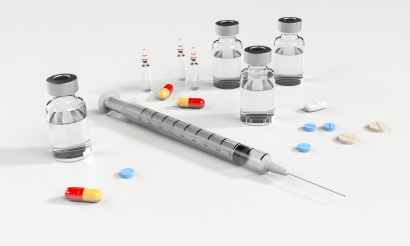
Depending on your individual circumstances and diagnosis, there are a number of different options that can be used to assist conception, varying in intensity, invasiveness and of course, cost.
Below are overviews of the main types of treatment you may be offered. My coaching programmes provide more detail in respect of the actual processes and treatments involved, as well as how you can optimise your chances, remain in control and be the best you that you can be while on your personal fertility journey.
Ovulation Induction
Ovulation induction is the stimulation of ovulation by medication. It is usually used to stimulate the development of ovarian follicles to reverse anovulation or oligoovulation, but can also be used in the sense of triggering oocyte (egg) release from relatively mature ovarian follicles.
The most common causes of failure to ovulate are stress, weight fluctuations and Polycystic Ovarian Syndrome (PCOS). Other causes may include disorders of the pituitary gland, thyroid gland and raised prolactin levels.
Both clomiphene citrate (clomid) and letrozole are medications used to treat infertile women who need assistance to ovulate. These medications work by helping your pituitary gland (located at the base of the brain) improve the stimulation of developing follicles (eggs) in the ovaries.
Intrauterine Insemination (IUI)
IUI is a fertility treatment that involves directly inserting sperm into a woman’s womb. It is offered on the NHS in the UK (subject to CCG acceptance criteria) and is a cheaper option than IVF, with costs ranging between £800-£1,500. You may be given clomid when having IUI to stimulate egg production.
IUI is not suitable for those with issues with their fallopian tubes, unexplained infertility, low sperm count/poor sperm quality or mild endometriosis.
You can find out more information from the NHS website.
In Vitro Fertilisation (IVF)
During IVF, an egg is removed from the woman’s ovaries and fertilised with sperm in a laboratory. The fertilised egg, called an embryo, is then returned to the woman’s womb to grow and develop. It can be carried out using your eggs and your partner’s sperm, or eggs and sperm from donors.
It is offered on the NHS in the UK but acceptance criteria vary widely between CCGs and are often very strict (based on BMI, age and other factors).
There are a number of different protocols that are used, depending on the clinic and the individual circumstances and diagnosis of the individuals involved.
You can find out more information from the NHS website, and I also have a free e-guide to help those considering or starting IVF or ICSI treatment understand the process and explain step by step what will happen.
Intracytoplasmic sperm injection (ICSI)
ICSI is an IVF procedure in which a single sperm cell is injected directly into the cytoplasm of an egg. It used in cases where male factor is a cause of infertility, as it removes the need for the sperm to naturally fertilise the egg. Fertilisation rates with ICSI are around 70%.
 The Happy Uterus